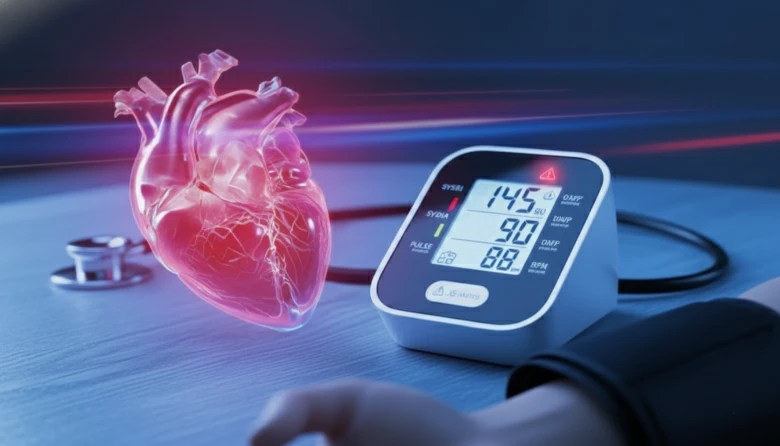
What is hypertension?
Hypertension, also known as high blood pressure, is a condition where the force of your blood pushing against the walls of your arteries is consistently too high. Think of it like water flowing through a hose - if the pressure is too strong, it can cause damage to the hose. In the case of your arteries, if the pressure is too high for too long, it can harm your heart and other organs.
Interestingly, blood pressure isn't a fixed number. It changes throughout the day depending on things like stress, excitement, sleep, or even relaxation. It's completely normal for it to go up when you're active or stressed, but if it stays high over time, it can lead to health problems.
What's considered normal blood pressure?
Normal blood pressure is usually around 120/80 mm Hg. Let's break it down:
- Systolic Pressure (120): This is the pressure in your arteries when your heart beats and pumps blood.
- Diastolic Pressure (80): This is the pressure when your heart is resting between beats.
Anything above 130/80 mm Hg is considered high blood pressure, which may require action to manage it.
Symptoms of hypertension
One tricky thing about hypertension is that most people don't feel any symptoms, even when their blood pressure is dangerously high. That's why it's often called a "silent killer." However, in some cases, very high blood pressure can cause:
- Severe headaches
- Blurry vision or vision problems
- Nausea and vomiting
- Heart palpitations or a racing heart
- Shortness of breath
- Dizziness
If you experience any of these, it's important to seek medical help right away.
What happens if hypertension goes untreated?
If high blood pressure is left unchecked, it can lead to serious health complications:
- Brain Stroke: Reduced blood flow to the brain can cause a stroke, which is a rapid loss of brain function.
- Vision Loss: High blood pressure can damage the blood vessels in your eyes, potentially leading to vision problems or even blindness.
- Heart Attack: Over time, high blood pressure makes your heart work harder, causing the heart muscle to thicken. This can restrict blood flow and eventually lead to heart failure.
- Atherosclerosis: Hypertension can cause the arteries to narrow and harden, leading to heart attacks and strokes.
- Kidney Damage: High blood pressure can damage the blood vessels in your kidneys, leading to kidney failure.
- Bone Loss: High blood pressure can cause calcium to leak from your bones, weakening them over time and increasing the risk of osteoporosis.
What causes hypertension?
Hypertension can be influenced by both modifiable (things you can change) and non-modifiable (things you can't change) factors.
Modifiable risk factors:
- Lifestyle: Lack of physical activity, smoking, excessive alcohol use, and a high-salt diet.
- Diet: Eating too many processed foods or foods high in fat can increase your risk.
- Drug-Induced: Certain medications or sleep disorders may contribute to high blood pressure.
Non-Modifiable Risk Factors:
- Family History: If your family has a history of high blood pressure, you may be more at risk.
- Age: The risk increases as you get older.
- Gender: Men are more likely to have high blood pressure at a younger age, but women's risk increases after menopause.
How to control hypertension?
The good news is that you can take steps to lower your blood pressure, often without the need for medication. Here are some key lifestyle changes that can help:
- Maintain a Healthy Weight: Being overweight can put extra strain on your heart and raise blood pressure. Even a small weight loss can help reduce your risk.
- Quit Smoking: Tobacco can cause your blood vessels to narrow, leading to higher blood pressure.
- Eat a Heart-Healthy Diet: Focus on a diet rich in fruits, vegetables, whole grains, and lean proteins. Limit your salt intake and avoid processed foods as much as possible.
- Exercise Regularly: Physical activity helps to keep your heart and blood vessels healthy. Aim for at least 30 minutes of moderate exercise most days of the week.
- Limit Alcohol: Excessive alcohol consumption can raise your blood pressure. Stick to moderate drinking guidelines: no more than one drink per day for women and two for men.
- Monitor Your Blood Pressure: Regularly check your blood pressure, especially if you have a family history of hypertension. Early detection can help prevent complications later on.
Conclusion
Hypertension is a common but serious condition that can lead to a variety of health issues if left untreated. The good news is, with a few lifestyle changes, you can control your blood pressure and significantly reduce your risk of complications like heart attacks, strokes, and kidney problems. If you suspect you have high blood pressure or are at risk, make sure to get it checked regularly by a healthcare professional. By staying proactive, you can protect your health and live a longer, more vibrant life.
Latest Blogs
A simple guide to gallstones: laparoscopic surgery, treatment and recovery tips
8th Oct, 2025
Kidney stones: causes, symptoms, treatment and prevention
15th Oct, 2025

Everything you need to know about laparoscopic gynaecology
29th Oct, 2025
Breathe easy again: septal and sinus surgery explained
5th Oct, 2025