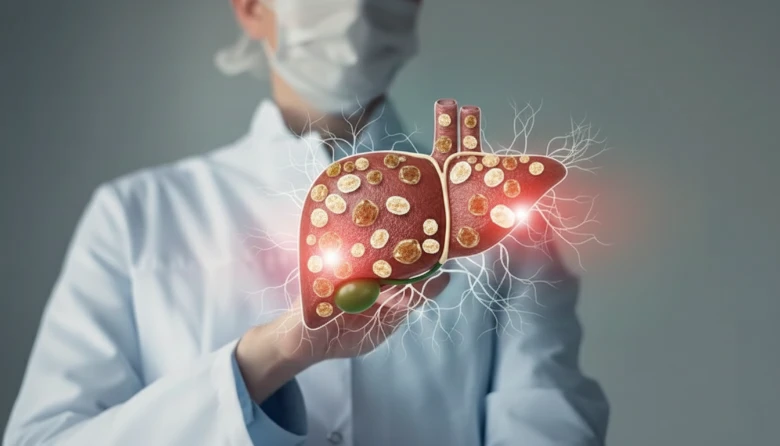
What is the gallbladder?
The gallbladder is a small, pear-shaped organ located beneath your liver on the right side of your abdomen. Its main job is to store bile, a substance produced by your liver to help digest fats. The gallbladder is connected to bile ducts that transport bile to the intestines, where it aids in digestion. The good news is, your body can function just fine without a gallbladder, as your liver will still produce bile.
What are gallstones?
Gallstones are hardened deposits that form in your gallbladder due to an imbalance in the substances that make up bile, particularly cholesterol. These stones can vary in size and can be made from cholesterol, bilirubin (a bile pigment), and calcium, among other materials. While cholesterol stones are most common, some stones may be black or brown. Surprisingly, only 15% of gallstones show up on an abdominal X-ray. Doctors usually detect gallstones with an ultrasound.
What causes gallstones?
Several factors can increase the risk of developing gallstones, including:
- Age over 40
- Female sex (Women are more likely to develop gallstones)
- Pregnancy
- A high-fat diet
- Obesity
- Type 2 Diabetes
- Rapid weight loss
- Haemolysis (destruction of red blood cells)
- Bile infections
- Use of oral contraceptives (OCPs)
Symptoms of gallstones
Many people with gallstones may not feel any symptoms, but if the stones block a bile duct, you could experience:
- Pain in the right upper abdomen, often with nausea and vomiting
- A feeling of fullness or indigestion
- Acute or chronic cholecystitis (inflammation of the gallbladder)
- Biliary pancreatitis (inflammation of the pancreas due to gallstones)
- Infections like pain, fever, and jaundice (yellowing of the skin)
How are gallstones diagnosed?
Diagnosing gallstones usually begins with an ultrasound (USG), which is the most common and reliable method, with a sensitivity of 96%. Blood tests might be normal for simple cases but are used to detect complications. If there's a suspicion of gallbladder cancer, a CT scan may be performed. In more complicated cases, MRCP or ERCP may be used to diagnose and treat gallstones, particularly if bile ducts are blocked.
Treatment options for gallstones
While surgery used to be the only option for gallstones, modern medicine has introduced new treatments. If the stones are small enough, some people may be able to dissolve them with medication, although this is not always a permanent solution.
What is laparoscopic cholecystectomy?
Laparoscopic cholecystectomy is the modern, minimally invasive method of removing the gallbladder. Here's how it works:
- The patient is put under general anaesthesia.
- A small incision is made at the belly button (navel), through which a tiny camera (laparoscope) is inserted.
- The surgeon inflates the abdomen with carbon dioxide to create space for the procedure.
- Two additional tiny incisions are made, and small surgical instruments are used to remove the gallbladder and any stones.
- The gallbladder and stones are carefully removed, and the small incisions are closed.
This surgery is quick and usually requires only 1-2 days of hospital stay.
Preparing for laparoscopic cholecystectomy
Before surgery, it's essential to:
- Provide a full list of any medications you're taking, including any allergies.
- Inform your doctor if you have any pre-existing health conditions.
- Avoid eating or drinking for at least 6-8 hours before surgery.
- Arrange for a family member to accompany you.
What to expect during the surgery?
The procedure typically lasts 45 minutes to an hour. You'll be under general anaesthesia, so you won't feel any pain during the surgery. Your vital signs will be closely monitored throughout the process.
What happens after the surgery?
After the surgery, you'll be moved to a recovery room where you will wake up from anaesthesia. You may feel groggy, but the medical team will monitor your blood pressure, pulse, and oxygen levels. Once you're fully awake and stable, you'll be moved to your room where the surgeon will provide instructions for aftercare.
Post-operative care
- Fasting: You'll be kept on an IV and fasting for 6-8 hours after surgery to allow your body to recover.
- IV Medications: Antibiotics, pain relievers, and fluids will be administered through the IV.
- Diet: When your doctor clears you, you'll gradually start eating soft foods and, eventually, a normal diet.
Most patients are discharged within 36-48 hours, depending on the severity of the surgery and whether an infection is present.
Possible complications of gallstone surgery
While laparoscopic surgery has a low risk of complications, it's not without risks:
- Nausea and vomiting
- Injury to bile ducts, blood vessels, or the intestine (very rare)
- If the gallbladder cannot be safely removed, an open surgery may be required (also rare)
At our center, our complication rate in over 100 surgeries is less than 1%.
Can shockwave treatment help?
Unlike kidney stones, gallstones cannot be treated with shockwave therapy. Shockwave therapy is not recommended, as it can cause stones to enter the bile ducts and result in serious complications like pancreatitis.
Can I eat normally after laparoscopic cholecystectomy?
Yes! After about 10 days, you can resume your normal diet, including fatty foods and alcohol.
Do gallstones need treatment?
If left untreated, gallstones can lead to dangerous complications, such as:
- Infection of the gallbladder, causing it to swell or rupture.
- Stones can migrate to the bile ducts, causing obstructive jaundice or pancreatitis, both of which can be life-threatening.
Where should I get laparoscopic surgery done?
Laparoscopic cholecystectomy requires specialized equipment and trained surgeons. It's important to choose a center with experience in performing these advanced surgeries.
Is gallbladder removal mandatory?
Yes, the problem lies within the gallbladder itself. Therefore, the gallbladder must be removed during surgery, either laparoscopically or through open surgery. The good news is, removing the gallbladder doesn't affect your diet or lifestyle in the long term.
Latest Blogs
Kidney stones: causes, symptoms, treatment and prevention
15th Oct, 2025
Understanding hypertension: symptoms, causes and practical tips for control
22nd Oct, 2025
Everything you need to know about laparoscopic gynaecology
29th Oct, 2025
Breathe easy again: septal and sinus surgery explained
5th Oct, 2025