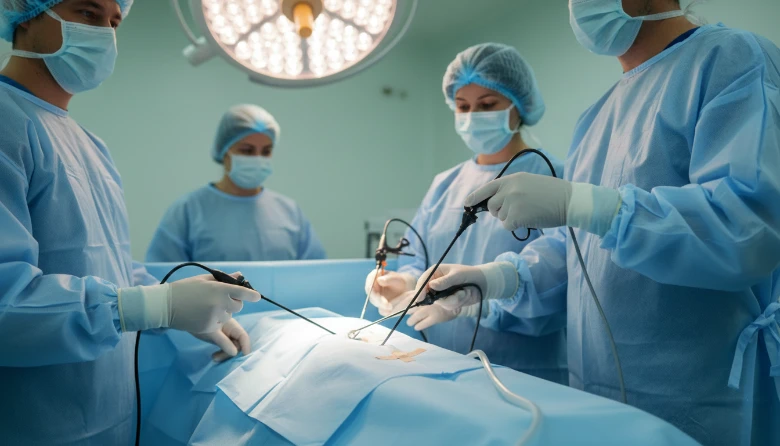
What is laparoscopic gynaecology?
Laparoscopic gynaecology is a specialized form of minimally invasive surgery used to diagnose and treat various conditions affecting women's reproductive organs. Unlike traditional surgery, which requires larger incisions, laparoscopic surgery is performed through small cuts in the abdomen using advanced visual aids like a camera (laparoscope) to guide the surgeon inside the pelvic area. It allows doctors to examine the fallopian tubes, ovaries, and uterus (womb) to identify and address any problems, either for diagnosis or treatment purposes.
What are the benefits of laparoscopic surgery?
Laparoscopic gynaecology offers several significant advantages over traditional surgical methods, making it a preferred choice for many patients. The benefits include:
- Minimally Invasive: Small incisions are made, leading to less trauma to the body.
- Reduced Pain: Due to smaller cuts, post-surgery pain is usually minimal.
- Shorter Hospital Stay: Many patients can go home the same day or after a very short hospital stay.
- Faster Recovery: Recovery times are quicker compared to traditional surgery, allowing patients to return to their daily activities sooner.
- Lower Risk of Infection: Smaller incisions mean less exposure to potential infections.
- Enhanced Precision: The use of advanced imaging and camera technology helps the surgeon operate with greater accuracy.
Why is laparoscopic surgery done?
Laparoscopic surgery is used for both diagnostic and therapeutic purposes in a variety of gynecological conditions, including:
- Infertility: Laparoscopy can help identify the causes of infertility, such as blocked fallopian tubes or endometriosis.
- Endometriosis: This condition occurs when tissue similar to the lining of the uterus grows outside of it. Laparoscopy can both diagnose and treat it.
- Ectopic Pregnancy: A condition where the fertilized egg implants outside the uterus, often requiring surgical intervention.
- Ovarian Cysts: Laparoscopic surgery can remove cysts from the ovaries with minimal disruption to surrounding tissues.
- Fibroids: Non-cancerous growths in the uterus that can be treated or removed via laparoscopy.
- Chronic Pelvic Pain: When other causes of pelvic pain are unclear, laparoscopy can be used to evaluate the condition.
While laparoscopy is often the preferred method for these conditions, not all patients or conditions are suitable for this procedure. Each case needs to be evaluated individually by a specialist.
How is the procedure carried out?
Laparoscopic surgery is usually performed under general anaesthesia, meaning you will be asleep during the procedure.
Before the procedure:
- You may need various tests, such as an ultrasound, blood tests, or urine tests.
- Your doctor might advise you to fast for a few hours before the surgery.
- If necessary, you may be asked to take an enema to ensure your intestines are clear.
During the procedure:
- A catheter will be inserted to collect urine.
- The abdomen is then filled with carbon dioxide gas, which helps lift the abdominal wall away from internal organs and reduces the risk of injury.
- A small incision near the navel allows the laparoscope (a thin, camera-equipped tube) to be inserted. The camera sends live images to a screen, enabling the surgeon to examine the pelvic organs.
- If the surgery is diagnostic, the doctor may just examine the organs. However, if treatment is needed, two or three additional small incisions are made to allow specialized surgical instruments to remove or treat the affected areas.
After the procedure:
- After surgery, you will be moved to a recovery room until the effects of anaesthesia wear off.
- You'll be able to start taking oral fluids once you're fully awake.
- Your doctor will provide post-surgery instructions, including guidance on medications and care for any wounds.
- Depending on the extent of the surgery, you may need to rest for a few days or weeks, and you will return to the clinic for a follow-up to have stitches removed.
Risks of laparoscopic surgery
While laparoscopic surgery is generally safe, it does carry some risks, including:
- Injury to Internal Organs: There is a small risk of damaging nearby blood vessels, nerves, or organs such as the bladder, bowel, uterus, or ovaries.
- Allergic Reactions: Some patients may react to anaesthesia or medications.
- Hemorrhage: In rare cases, excessive bleeding may require emergency open surgery.
- Wound Infection: As with any surgery, there is a risk of infection, though it is minimized with laparoscopy due to the smaller incisions.
What can you expect after laparoscopic gynaecology surgery?
Recovery after laparoscopic gynaecology surgery is typically quicker and less painful than traditional surgery. Here's what you can expect:
- Shorter hospital stay: Most patients can go home within a few hours to a day, depending on the complexity of the surgery.
- Reduced pain: You may feel some discomfort or bloating due to the gas used during the procedure, but this usually resolves within a few days.
- Postoperative care: Follow your doctor's instructions carefully regarding medication, wound care, and activity restrictions.
- Follow-up appointment: You'll need a follow-up visit to check on your recovery and to remove any stitches.
Conclusion
Laparoscopic gynaecology is a safe, effective, and minimally invasive way to treat various conditions affecting women's reproductive health. With benefits like reduced pain, faster recovery, and lower infection risk, it's no wonder this technique is becoming the preferred choice for many gynecological issues. If you're experiencing any of the conditions mentioned above, talk to your doctor to see if laparoscopic surgery could be a suitable treatment option for you.
Latest Blogs

A simple guide to gallstones: laparoscopic surgery, treatment and recovery tips
8th Oct, 2025
Kidney stones: causes, symptoms, treatment and prevention
15th Oct, 2025

Understanding hypertension: symptoms, causes and practical tips for control
22nd Oct, 2025
Breathe easy again: septal and sinus surgery explained
5th Oct, 2025