
Healthcare Solutions we offer
The Department of Neuro Sciences at Sahayog Hospital, Gondia, provides expert management of neurological conditions, including spinal disorders, brain injuries, and neurodegenerative diseases. Our team of highly skilled neurologists, neurosurgeons, and rehabilitation specialists work together to deliver holistic care tailored to each patient's unique needs.
Our state-of-the-art diagnostics, including advanced imaging techniques and neurophysiological testing, allow for precise diagnosis and targeted treatments. From neurological emergencies such as strokes and seizures to chronic conditions like Parkinson's disease and epilepsy, we provide comprehensive care from diagnosis through to recovery.
Doctors

Sahayog Hospital, Gondia
Neuro Sciences
MBBS, MD, DM
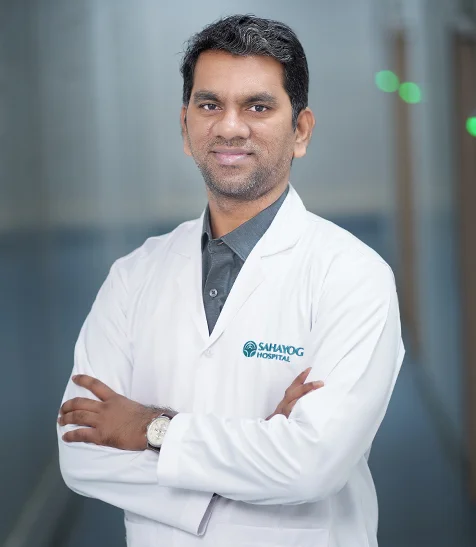
Sahayog Hospital, Gondia
Neuro Sciences
MBBS, MS, MCh
FAQ
Warning signs include sudden numbness, speech or hearing loss, confusion, vision problems, seizures, headaches, difficulty walking, and bladder/bowel dysfunction.
No. Back pain can result from muscle strain or poor posture, but if persistent, it's best to check for possible spine-related causes.
Neurologists treat stroke, epilepsy, Parkinson's, Alzheimer's, sleep disorders, brain tumours, tremors, and chronic neck or back pain. Neurosurgeons manage surgical cases.
Recovery depends on surgery type:
A neurologist considers medical history, symptoms, genetics, medications, and disease progression to create a personalised treatment plan tailored to the patient's needs.