Minimal Access Surgery
Home / Specialities / Minimal Access Surgery

Healthcare Solutions we offer
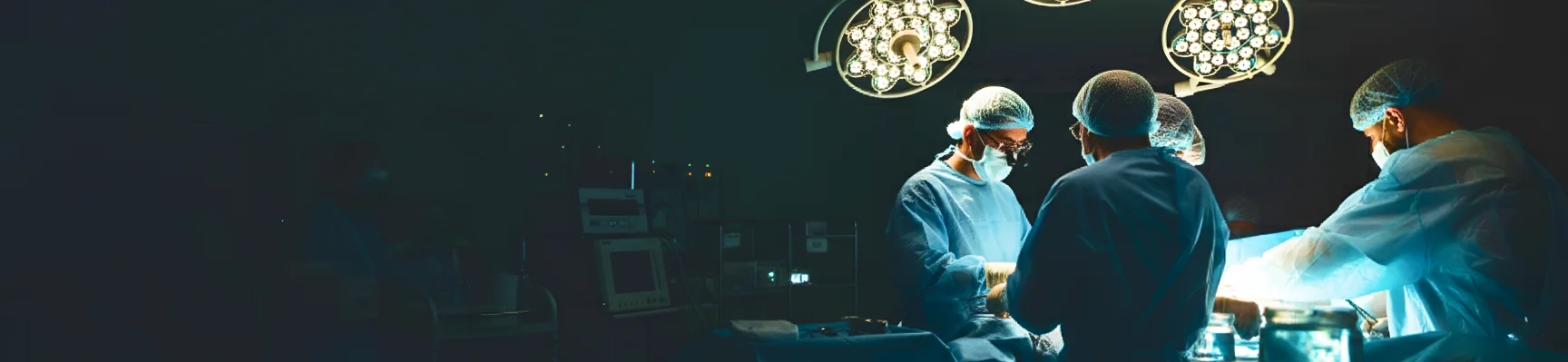
The Department of Minimal Access Surgery at Sahayog Hospital, Gondia, is focused on delivering high-quality surgical care with minimal disruption to the patient's body. By using advanced minimally invasive techniques, we are able to offer faster recovery times, reduced risk of complications, and smaller scars compared to traditional open surgery.
Our experienced surgeons perform a wide range of procedures, from routine surgeries to more complex operations, all while maintaining a patient-focused approach. We use state-of-the-art technology, including laparoscopic surgery, to ensure precision and safety during every procedure.
Doctors
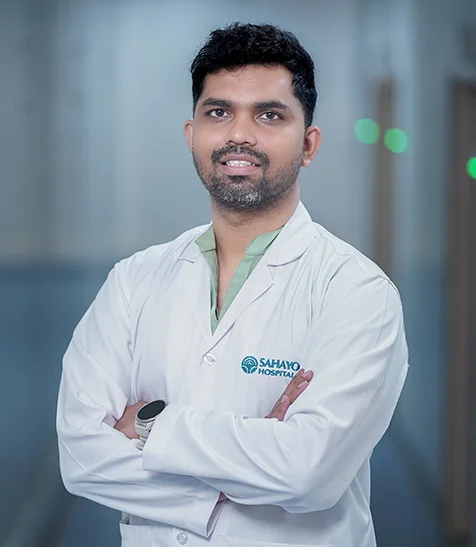
Sahayog Hospital, Gondia
Minimal Access Surgery
MBBS, MS (General and Laparoscopy Surgery) FMAS
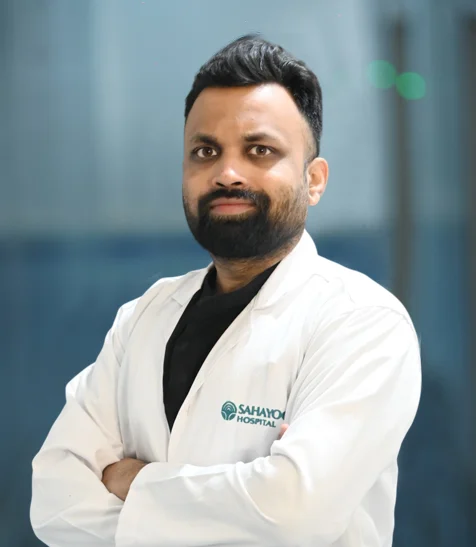
Sahayog Hospital, Gondia
Minimal Access Surgery
MBBS, MS General and Laparoscopy Surgery, FMAS
FAQ
Fibroids may not require removal if they're small and asymptomatic. Treatment is only needed if they cause discomfort or health issues based on size and location.
Surgery is considered after a thorough health evaluation, including tests and exams. It's recommended only when it's the most effective treatment. Other options are discussed with the patient.
Hospital stays depend on surgery type and recovery progress. Minimally invasive surgeries may require only one night, while more complex procedures might need a few days of monitoring.
General surgeons treat heart-related conditions by removing infected tissues or performing surgeries like gastric bypass to improve heart health. In emergencies, they provide initial intervention before heart specialists.
General surgeons perform surgeries on the digestive system, breasts, uterus, skin, and other organs. They handle both planned and emergency surgeries to treat damaged or diseased tissues.