

Healthcare Solutions we offer
The Physiotherapy & Rehabilitation Department at Sahayog Hospital, Gondia, is a comprehensive facility dedicated to restoring function, strength, and mobility to patients of all ages. Whether recovering from surgery, injury, or a chronic condition, our team of highly skilled physiotherapists and occupational therapists work closely with each patient to develop personalised rehabilitation programs.
Our therapists conduct thorough assessments that consider health history, pain levels, movement patterns, range of motion, strength, reflexes, and overall cardiovascular health. By evaluating relevant medical records, surgical notes, and diagnostic results, we design an individualized treatment plan that aims to enhance mobility, reduce pain, and improve overall function.
We offer a wide range of services, from musculoskeletal rehabilitation to neuro-rehabilitation, ensuring each patient receives the care and support they need for optimal recovery. At Sahayog Hospital, we empower patients to regain their independence and improve their quality of life through tailored rehabilitation services.
Doctors
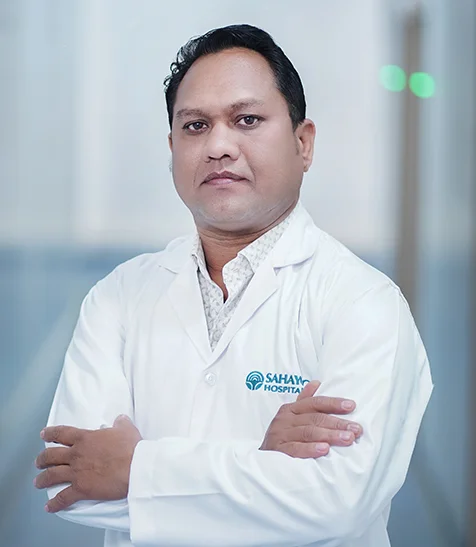
Sahayog Hospital, Gondia
Physiotherapy & Rehabilitation
BPTH, CCH, DHCP
FAQ
Physiotherapists help recover from injuries, reduce pain, improve mobility, and prevent future injuries. They use exercises, hands-on techniques, and advanced treatments like ultrasound for faster recovery.
Physiotherapists help manage GERD by teaching diaphragmatic breathing, posture correction, and postural advice to minimize reflux, especially after meals.
Yes, physiotherapists monitor progress, adjust exercise plans, and educate patients on managing side effects to ensure continued improvement while minimizing discomfort.
Patients undergoing conservative treatment, post-operative recovery, movement disorders, chronic pain, degenerative conditions, trauma recovery, or needing mobility restoration benefit from physiotherapy
Yes, physiotherapy offers facial muscle stimulation, massage, retraining facial movements, and stretching to improve control and reduce involuntary movements in facial palsy.
Typically, at least 10 sessions are recommended, though the exact number varies based on your condition and progress.