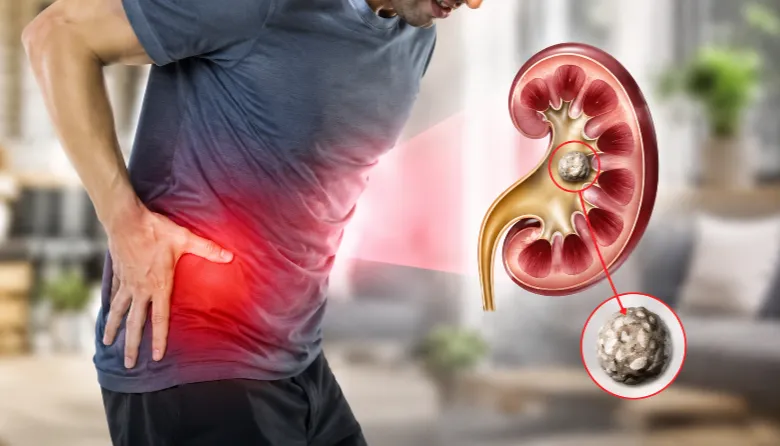
Managing Kidney Stones: When Drinking Water Is Not Enough
Kidney stones are a common yet painful urological condition that can affect people of all ages. While drinking plenty of water is often the first recommendation for preventing kidney stones, hydration alone is not always enough to manage or prevent them effectively. In many cases, proper medical evaluation and timely treatment are essential to avoid severe pain, urinary complications, infections, and potential kidney damage.Understanding Kidney StonesKidney stones are hard deposits made of minerals and salts that form inside the kidneys. These stones can vary in size, ranging from tiny crystals that pass unnoticed to larger stones that may block the urinary tract and require medical intervention.Several factors can contribute to the formation of kidney stones, including:Inadequate water intake and dehydrationExcessive salt consumptionHigh-protein dietsObesity and sedentary lifestyleRecurrent urinary tract infectionsCertain metabolic and genetic disordersFamily history of kidney stonesSpecific medications and medical conditionsThe risk of developing kidney stones may increase when these factors are present over a prolonged period.Common Symptoms of Kidney StonesThe symptoms of kidney stones can vary depending on their size and location. Some small stones may not cause noticeable symptoms until they begin moving through the urinary tract.Common warning signs include:Severe pain in the back, side, or lower abdomenBurning sensation during urinationBlood in the urineFrequent urge to urinateDifficulty passing urineNausea and vomitingCloudy or foul-smelling urineFever and chills in cases of infectionIf these symptoms persist or become severe, immediate medical attention is important.Why Drinking Water Alone May Not Be EnoughHydration plays a crucial role in reducing the concentration of minerals in the urine and lowering the risk of stone formation. Drinking adequate water can help some small stones pass naturally and may reduce the likelihood of new stones developing.However, recent medical research and clinical experience indicate that hydration alone may not be sufficient for many patients, especially those who experience recurrent kidney stones or have underlying metabolic conditions. Some stones continue to grow despite adequate water intake, while others may become lodged in the urinary tract, causing significant pain and obstruction.In such situations, a comprehensive treatment approach may be necessary. This can include:Detailed diagnostic evaluationDietary modificationsMedication to prevent stone formationTreatment of underlying medical conditionsAdvanced urological procedures when requiredIdentifying the type of stone and its underlying cause is often the key to preventing future recurrence.Treatment Options for Kidney StonesThe choice of treatment depends on the size, location, and composition of the stone, as well as the patient's overall health.Conservative ManagementSmall kidney stones may pass naturally with:Increased fluid intakePain-relieving medicationsMedications that help relax the urinary tractRegular medical monitoringAdvanced Urological ProceduresWhen stones are large, cause blockage, lead to recurrent infections, or fail to pass naturally, specialized treatment may be recommended.Laser Stone Removal: A minimally invasive procedure that uses laser energy to break stones into smaller fragments, making them easier to remove or pass naturally.URS (Ureteroscopy): A thin instrument is passed through the urinary tract to locate and remove or fragment stones without the need for external incisions.PCNL (Percutaneous Nephrolithotomy): This procedure is generally recommended for larger or complex kidney stones. It involves removing stones through a small incision in the back.Shock Wave Lithotripsy (ESWL): This non-surgical treatment uses shock waves to break stones into smaller pieces that can pass through the urinary tract more easily.Preventing RecurrenceMany patients who develop one kidney stone may be at risk of developing another in the future. Preventive measures can significantly reduce this risk.Some important preventive steps include:Maintaining adequate hydration dailyLimiting excessive salt intakeFollowing a balanced dietManaging body weightTaking prescribed medications regularlyAttending follow-up consultationsTreating urinary infections promptlyYour urologist may also recommend specific dietary changes based on the type of kidney stone identified.When Should You Consult a Urologist?While mild symptoms should never be ignored, certain situations require prompt medical attention. Consult a urologist if you experience:Persistent or severe painBlood in the urineRecurrent kidney stonesDifficulty urinatingFever associated with urinary symptomsSymptoms that do not improve with hydration and medicationEarly diagnosis and expert treatment can help prevent complications and provide faster relief.Expert Kidney Stone Care at Sahayog Hospital, GondiaKidney stones can significantly affect your quality of life, but effective treatment and long-term prevention are possible with the right medical guidance. At Sahayog Hospital, Gondia, our experienced urology team offers comprehensive evaluation, advanced diagnostic facilities, and modern treatment options for kidney stone management. Patients looking for the best kidney treatment in Gondia can benefit from expert care tailored to their specific condition and long-term health needs.Whether you require medical therapy, laser stone removal, URS, PCNL, or ESWL, timely consultation can help ensure safe recovery and reduce the chances of recurrence.Book your appointment today for an accurate diagnosis and access to advanced kidney stone treatment at Sahayog Hospital, Gondia.
Read More