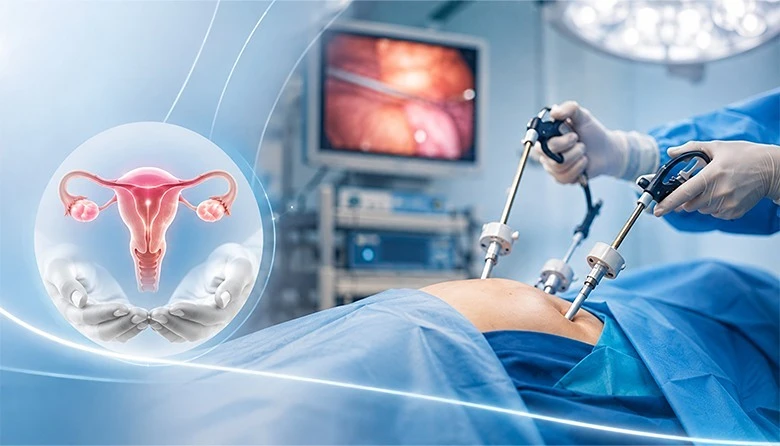
The idea of undergoing surgery can naturally raise questions and concerns, but medical advancements have made many procedures safer and less invasive than ever before. Minimally invasive surgery, also known as laparoscopic or keyhole surgery, uses small incisions and specialised instruments to perform procedures with greater precision. Compared to traditional open surgery, this approach often results in less pain, minimal scarring, reduced blood loss, shorter hospital stays, and a quicker recovery. For many patients, it also means returning to normal daily activities sooner while reducing the overall impact of surgery on the body.
Who Can Benefit from This Approach?
Minimally invasive surgery is recommended for a wide range of conditions, including gallbladder disorders, hernias, digestive diseases, and several gynaecological concerns. It is also commonly used for diagnostic procedures and certain abdominal surgeries where precision is essential. However, not every patient is an ideal candidate. Factors such as your medical history, current health, previous surgeries, and the complexity of your condition help determine the most suitable treatment. If you're considering minimal access surgery in Gurugram, consulting an experienced specialist is the best way to understand your options and receive a treatment plan tailored to your needs.
Advancing Women's Health with a Personalised Approach
Laparoscopic gynaecology in Gurugram has transformed the way many common gynaecological conditions are diagnosed and treated, offering women a minimally invasive alternative to traditional surgery. Procedures for ovarian cysts, fibroids, endometriosis, and certain hysterectomies can often be performed through laparoscopy, helping patients experience less post-operative discomfort and faster recovery. As a trusted laparoscopic gynaecology hospital in Gurugram, Sahayog Hospitals focuses on delivering safe, evidence-based treatment while ensuring every patient receives personalised care that reflects their individual health needs, lifestyle, and recovery goals.
Making an Informed Decision
Choosing surgery is an important decision, and understanding all available treatment options is essential. A detailed consultation with your doctor can help you weigh the benefits, potential risks, and expected recovery before moving forward. Your surgeon may recommend imaging tests, blood investigations, or other evaluations to ensure the procedure is appropriate and safe for your condition. Following pre-operative and post-operative instructions also plays an important role in achieving the best possible outcome. With the right guidance, experienced surgical care, and timely treatment, minimally invasive surgery can help many patients recover faster, experience greater comfort, and confidently return to their everyday lives.
Frequently Asked Questions (FAQs)
What is minimally invasive surgery?
Minimally invasive surgery is a surgical technique that uses small incisions and specialised instruments to perform procedures with less tissue damage than traditional open surgery.
Is minimally invasive surgery suitable for everyone?
No. The suitability depends on factors such as your medical condition, overall health, previous surgeries, and your doctor's clinical evaluation.
How long does recovery take after laparoscopic surgery?
Recovery varies depending on the procedure and the individual patient, but many people recover faster and resume daily activities sooner compared to traditional surgery.
Why should I consult a specialist before choosing minimally invasive surgery?
A specialist can assess your condition, explain the benefits and possible risks, determine whether you're a suitable candidate, and recommend the most appropriate treatment plan for your needs.
What conditions can be treated with minimally invasive surgery?
It is commonly used for gallbladder disorders, hernias, appendicitis, digestive conditions, and several gynaecological disorders.
How long do I need to stay in the hospital after minimally invasive surgery?
Hospital stay depends on the procedure, but many patients are discharged within one or two days.
Latest Blogs

Why Regular Health Checkups Matter Even When You Feel Healthy
12th Aug, 2026

Thyroid Disorders Explained: Symptoms You Shouldn't Ignore
13th Jun, 2026

Managing Kidney Stones: When Drinking Water Is Not Enough
13th Jun, 2026
Gynaecology Surgeries Made Easier: Benefits of Laparoscopic Techniques
2nd Jun, 2026

7 Warning Signs of Heart Trouble You Should Never Ignore
2nd Jun, 2026